
Blog Category

Tag: arora hand surgery

Categories
Conditions Treatments Wrists

Understanding the Difference between Carpal Tunnel Syndrome and Cubital Tunnel Syndrome

Read Blog

In today’s fast-paced world, where technology dominates our daily lives, repetitive movements and extended periods of computer usage have become the norm. Unfortunately, these habits can lead to various health issues, including nerve compression disorders like carpal tunnel syndrome (CTS) and cubital tunnel syndrome (CuTS). While both conditions affect the upper extremities and cause discomfort, it is crucial to understand their unique characteristics and how they differ. In this blog post, we will explore the differences between carpal tunnel syndrome and cubital tunnel syndrome to help you better understand and manage these conditions.


Carpal Tunnel Syndrome (CTS) 

Carpal Tunnel Syndrome primarily affects the hand and wrist. It occurs when the median nerve, which runs through a narrow passageway in the wrist called the carpal tunnel, becomes compressed or irritated. This can result from repetitive hand movements, such as typing or using a computer mouse, or conditions like arthritis or wrist injuries.

Common Symptoms of CTS 
  • Numbness, tingling, or burning sensation in the thumb, index, middle, and half of the ring finger.
  • Pain or discomfort that radiates from the wrist up the arm.
  • Weakness in the hand, making it difficult to grip objects or perform fine motor tasks.
  • Symptoms tend to worsen at night or during activities that involve bending the wrist.

the Difference between Carpal Tunnel Syndrome and Cubital Tunnel Syndrome


Cubital Tunnel Syndrome (CuTS) 

Cubital Tunnel Syndrome affects the ulnar nerve, which passes through a narrow tunnel on the inside of the elbow called the cubital tunnel. This nerve is responsible for supplying sensation and controlling some of the muscles in the hand and forearm. CuTS occurs when the ulnar nerve becomes compressed or irritated, often due to prolonged or repetitive elbow bending or leaning on the elbow for extended periods.

Common Symptoms of CuTS 
  • Numbness or tingling sensation in the ring and little fingers.
  • Weakness in the hand, particularly in the grip or pinch.
  • Pain or discomfort along the inside of the elbow or forearm.
  • Symptoms may worsen with elbow flexion or activities that involve bending the elbow.
Distinguishing Factors 

While both CTS and CuTS involve nerve compression, they differ in terms of the affected nerves and the locations of discomfort:

  • Affected Nerves: CTS involves compression of the median nerve in the carpal tunnel, while CuTS affects the ulnar nerve at the cubital tunnel inside the elbow.
  • Distribution of Symptoms: CTS primarily affects the thumb, index, middle, and half of the ring finger. In contrast, CuTS commonly causes symptoms in the ring and little fingers.
  • Triggering Factors: CTS is often associated with repetitive hand and wrist movements, whereas CuTS is commonly caused by prolonged elbow flexion or pressure on the elbow.
  • Anatomical Differences: The carpal tunnel is located at the base of the palm, while the cubital tunnel is found on the inside of the elbow.


Treatment and Management for CTS and CuTS 

For both conditions, early diagnosis and appropriate treatment are crucial. Non-surgical approaches for CTS and CuTS include:

  • Resting the affected area and avoiding repetitive movements that exacerbate the symptoms.
  • Applying ice packs to reduce swelling and inflammation.
  • Wearing splints or braces to support the affected area and relieve pressure.
  • Physical therapy exercises to improve strength, flexibility, and posture.
  • In severe cases or when conservative methods fail, surgical intervention may be necessary to relieve pressure on the affected nerve.

Understanding the differences between carpal tunnel syndrome and cubital tunnel syndrome is essential for accurate diagnosis and effective management. While both conditions involve nerve compression and share some similarities in symptoms, they affect different nerves and have distinct locations of discomfort.

CTS primarily affects the median nerve in the carpal tunnel of the wrist, causing numbness, tingling, and weakness in the thumb, index, middle, and half of the ring finger. On the other hand, CuTS affects the ulnar nerve in the cubital tunnel of the elbow, leading to numbness, tingling, and weakness in the ring and little fingers.

Identifying the triggering factors is crucial as well. CTS is commonly associated with repetitive hand and wrist movements, while CuTS is often caused by prolonged elbow flexion or pressure on the elbow.

Both conditions can often be managed conservatively through rest, splinting, physical therapy, and lifestyle modifications. However, in severe cases or when conservative methods fail, surgical intervention may be necessary to relieve pressure on the affected nerve. 

If you believe you may be experiencing symptoms of carpal tunnel syndrome or cubital tunnel syndrome, it may be time to get in touch with top MI hand surgeon Dr. Avery Arora. You can schedule an appointment at one of his four offices in West Bloomfield, Warren, Macomb, or Howell, Michigan.

Categories
Hands

Yard Work and Gardening Shouldn’t Be Painful. Here’s What’s Happening if You’re Doing Them Wrong.

Read Blog

There are two types of people in this world: those that look forward to spring and summer yard upkeep and those who dread it like the plague. It probably goes without saying why it’s dreaded by some; the activity itself can be draining and sometimes even leave you in pain. Yard work and gardening shouldn’t be painful, though. Aside from investing into helpful tools such as garden kneeling pads and wireless weedwhackers, here are some other ways to avoid pain during yard work and gardening.


The gardening and yard work actions that are causing pain.

When you’re working in the yard and garden, the aches and pains are exacerbated by the bending, crouching, grasping, and repetitive one-handed tasks. The problem with these actions is that you begin doing them incorrectly because the incorrect way feels “easier” – at least, it does in the beginning. Some examples of incorrect ways of movement are:


  • Exclusively twisting to the left if you’re right-handed (and vice versa)
  • Raking or digging with only the dominant hand
  • The ever-popular action of lifting heavy weight with the back instead of the legs


Ways to prevent gardening and yard work pain.

The trick to completing a weekend’s worth of outdoor upkeep and only feeling the satisfying dull ache of a hard day’s work without the pain is to learn the proper way to use your body and to know your limits. Our very own Dr. Avery Arora, a hand surgeon in the Detroit, Michigan area, says, “Your body will feel so much better when you fix the way you’re working. We encourage you to train the mind to do it correctly, and then you’ll find the body will follow suit.”

Yard Work and Gardening Shouldn’t Be Painful. Here’s What’s Happening if You’re Doing Them Wrong.


It’s all about examining the cause of the problem and then stopping it. Some tips that may help reduce future pain include:


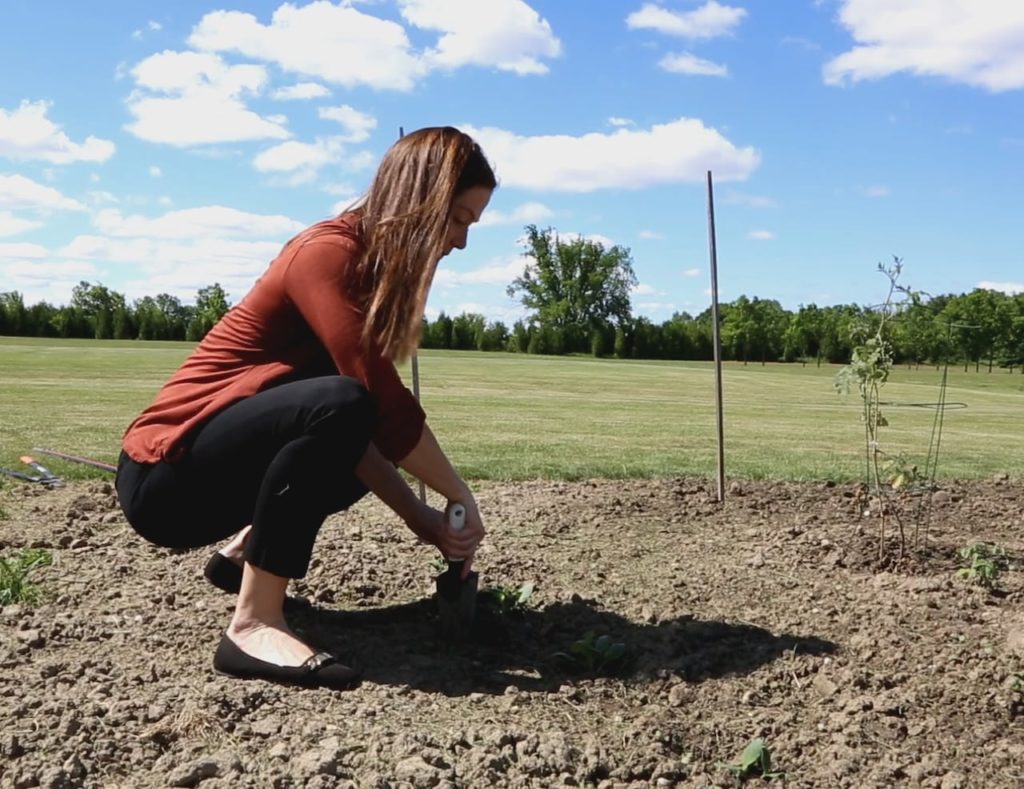
  • Replace crouching and kneeling with the “armchair” position, pictured above.
  • Take breaks regularly. During your break, walk around and stretch your whole body, including your hands.
  • Engage all muscles by rotating arm and leg work. If you favor working one side of your body, slowly try completing the work with the other side. The non-dominant side may work a little slower, but that’s okay.


Gardening and yard work is, without a doubt, a workout. If you consider a three-to-four-hour workout pretty extensive, remember to apply that same thought to your outdoor tasks as well. Work your body’s limit just the way you would in a gym, and then start again another day.


Here at Arora Hand Surgery, we care about your health. If you feel as if you’ve suffered a hand, wrist, or elbow injury due to gardening or yard work, visit Dr. Avery Arora at one of his southeast Michigan offices located in West Bloomfield, Warren, Macomb Township, or Howell.


Bill Payment Made Easy

Pay on the Go!

Pay my balance

Get on the List

Subscribe

Patient

Stories

Read All

Dr. Aroras office from my first call to schedule my appointment was friendly. Walking in the first day, I felt like I was in a nice atmosphere. Dr. Arora was EXCELLENT in taking great care of my hand injury. He was gentle and very understanding to the concerns I had about my hand. His expertise was admirable and I would recommend anyone with an injury to their hand to his office to be under his care. Because of him, I have healed faster than expected and will make an 100% recovery! Thank you Dr.

Jackie S.

I first thought I was going to have to have painful injections or surgery, but Dr. Arora suggested physical therapy may do the trick. I was doubtful, but I agreed to do it. Now, my pain is gone, and with the help of an ergonomic keyboard at work to keep my hands in the correct position, I am virtually pain free. The therapy strengthened my wrists and shoulders, and built more flexibility into my wrists.

Jerry T.

My experience with this doctor was positive from the outset. Dr. Arora was kind and spent a great deal of time with me. Staff was friendly. The office was nice and bright.

Ariel G.

Very friendly and helpful Great staff!!! Doctor Arora was very professional and did great work. I was very happy with everything!

L B.