Blog Category

Tag: mi hand doctor

Categories
Conditions Hands

Cold Weather Numbness: When Is It Just the Cold and When Is It a Nerve Problem?

Read Blog

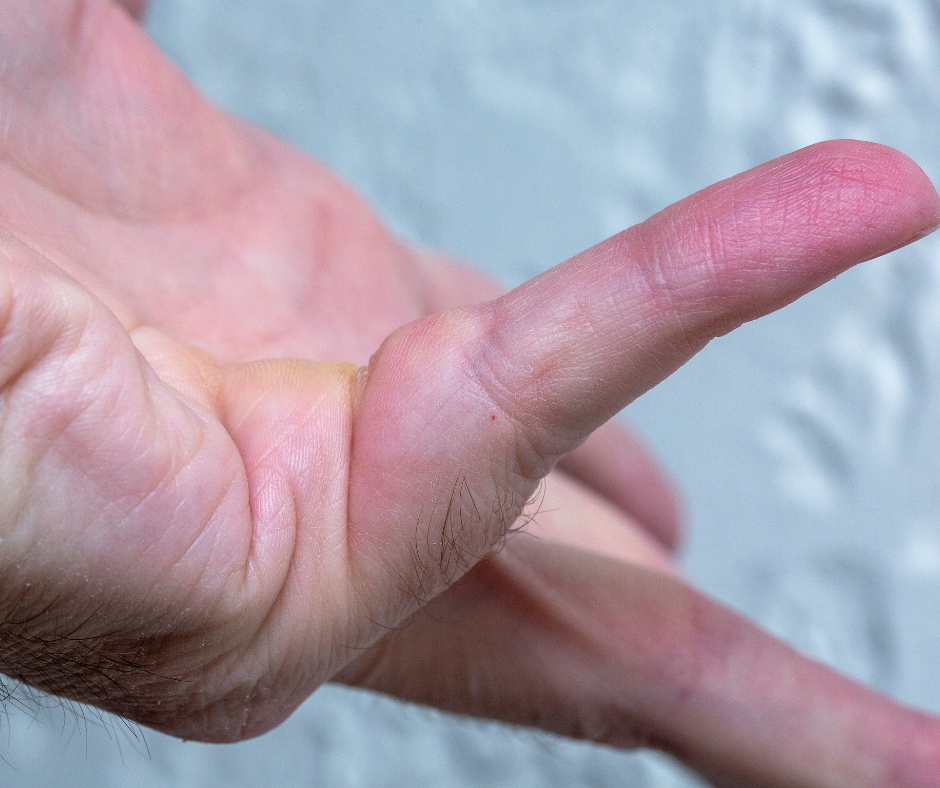
Many people notice their fingers feel numb, tingly, or stiff during the winter months. While occasional cold sensitivity is common, persistent or recurring symptoms may signal an underlying condition that deserves evaluation.

Understanding the difference between a normal reaction to cold and something more significant, such as nerve compression or circulation changes, can help you protect your hand health this season.


Why Cold Weather Affects Your Hands 

When temperatures drop, the body naturally reduces blood flow to the extremities to conserve heat. This normal response can cause temporary coldness or mild numbness in the fingers.

However, for some individuals, cold exposure can trigger more pronounced symptoms or worsen existing conditions.


Raynaud’s Syndrome: A Common Cause of Cold-Triggered Numbness 

One condition frequently associated with winter finger numbness is Raynaud’s syndrome (also called Raynaud’s phenomenon). Raynaud’s occurs when the small blood vessels in the fingers become overly sensitive to cold or stress and narrow more than normal, temporarily reducing blood flow.

During an episode, the fingers may:

  • Feel cold or numb
  • Change color—often turning white, blue, and then red
  • Tingle, throb, or feel painful as circulation returns

Even mild cold exposure such as entering an air-conditioned space or holding something cold can trigger symptoms in people with Raynaud’s.

These episodes are typically temporary and may last minutes, but frequent or severe attacks can occasionally lead to sores or tissue damage if circulation is significantly restricted.

Raynaud’s is relatively common, affecting a notable portion of the population, particularly individuals living in colder climates.


When Cold-Related Hand Symptoms May Be Related to Nerve Compression 

Cold weather can also aggravate nerve-related conditions such as:

  • Carpal tunnel syndrome
  • Cubital tunnel syndrome
  • Other compression or overuse injuries

When nerves are irritated or compressed, symptoms may include:

  • Persistent tingling or numbness
  • Weakness in the hand or grip
  • Symptoms that occur even in warm environments
  • Nighttime symptoms or symptoms triggered by certain positions

Unlike Raynaud’s, which is primarily related to circulation changes, nerve compression symptoms are often linked to repetitive motion, swelling, or pressure on specific nerves.


When Is It “Just the Cold”? 

Occasional stiffness or mild numbness that resolves quickly after warming your hands is typically part of the body’s normal temperature regulation.

You can often reduce these symptoms by:

  • Wearing insulated gloves
  • Using hand warmers
  • Avoiding prolonged cold exposure
  • Gently warming the hands before activity


When Should You See a Hand Specialist?

Consider scheduling an evaluation if you notice:

  • Frequent or worsening numbness or tingling
  • Finger color changes (white, blue, or purple)
  • Weakness or difficulty gripping objects
  • Symptoms that interfere with daily activities
  • Pain that persists after warming your hands

Early evaluation can help determine whether symptoms are related to Raynaud’s, nerve compression, arthritis, or another condition and allows treatment to begin before symptoms progress.


A Patient-First Approach to Hand and Nerve Health 

At Arora Hand Surgery, evaluation does not automatically mean surgery. Many circulation- and nerve-related conditions can be managed with conservative treatments such as splinting, therapy, ergonomic adjustments, or targeted injections.

The goal is always to identify the cause of symptoms and recommend the least invasive, most effective treatment.


Don’t Ignore Persistent Cold-Related Hand Symptoms 

Winter weather can exaggerate underlying issues that might otherwise go unnoticed. If numbness, tingling, or weakness continues beyond occasional cold exposure, a specialist evaluation can provide clarity and peace of mind.

If your hands are preventing you from comfortably performing daily activities, scheduling an assessment is an important next step toward restoring function and comfort.
 

Categories
Conditions Fingers

Understanding Thumb Arthritis: Causes, Symptoms, and Treatment

Read Blog

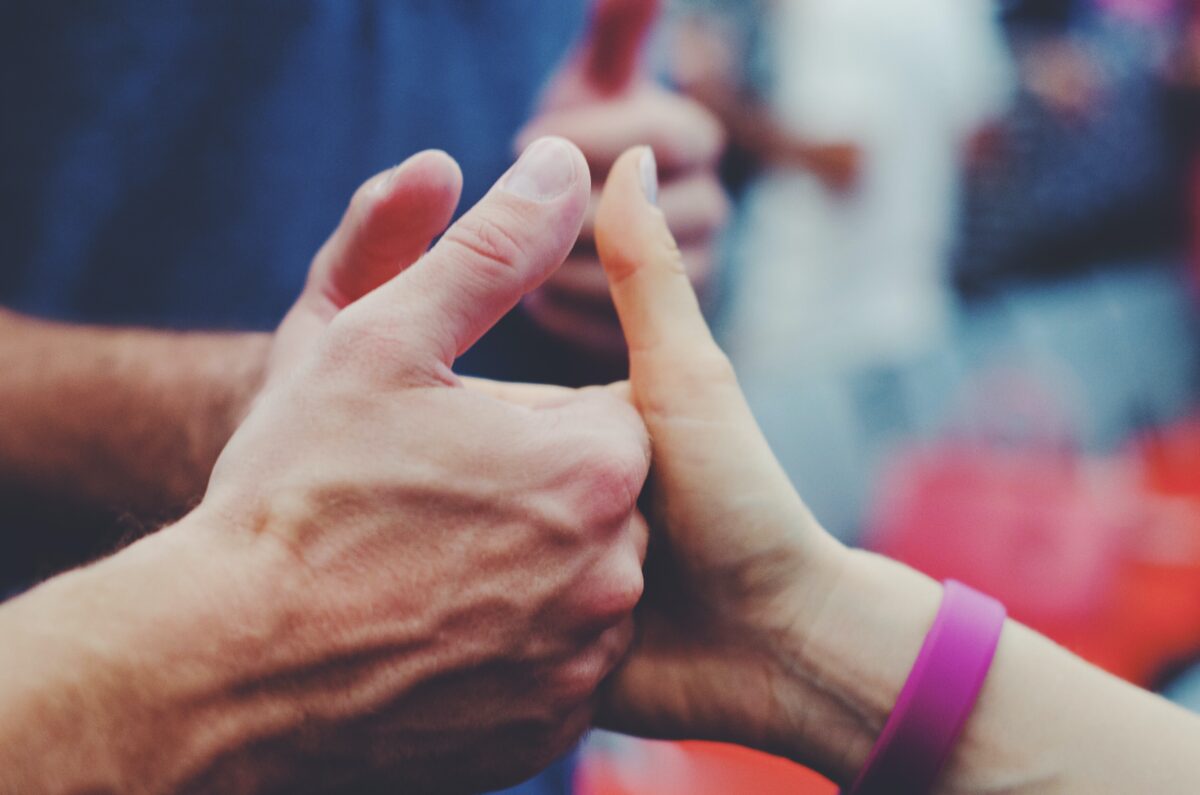
Arthritis is a common condition that affects millions of people, and it can occur in various joints in the body. When it comes to the hand, one of the areas that can be affected is the base of the thumb. Imagine feeling pain from something as simple as turning a key or snapping your fingers. For many, this constant reminder is unbearable. This condition, known as thumb arthritis, can lead to pain, swelling, and reduced hand function. Let’s explore what thumb arthritis is, its symptoms, causes, risk factors, diagnosis, and available treatment options. If you’re suffering from this condition, we hope we can help.


What is Thumb Arthritis? 

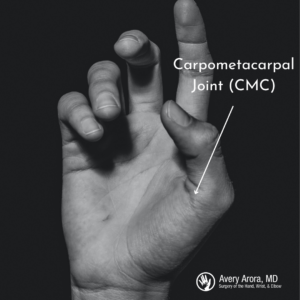
Thumb arthritis primarily affects the joint at the base of the thumb, making it the second most common site of arthritis in the hand. It’s typically a form of osteoarthritis (OA), which results from the gradual wear and tear on the joint. In a healthy joint, cartilage acts as a cushion between the bones. However, in people with thumb arthritis, this cartilage wears away, leading to bone-on-bone friction, inflammation, and pain.


Symptoms of Thumb Arthritis 

The most common and early symptom of thumb arthritis is pain at the base of the thumb, especially during activities that involve gripping, pinching, or applying force with the thumb. Other symptoms may include swelling, aching, discomfort, tenderness, limited range of motion, an enlarged appearance at the base of the thumb, and reduced thumb strength. These symptoms tend to worsen over time, especially without treatment.


Thumb Arthritis Causes and Risk Factors 

Thumb arthritis is primarily caused by the gradual breakdown of cartilage over time, which is often associated with aging. Injuries, such as thumb fractures and dislocations, can also lead to this condition. In rare cases, joint infections may be responsible for thumb arthritis.

Several risk factors can increase the likelihood of developing thumb arthritis, including age, gender (with females being more prone), weight, genetics, joint laxity, hormonal changes (such as menopause), previous joint injuries, and certain occupational factors.  You can read more about what causes thumb arthritis on our website’s dedicated thumb arthritis page.


Diagnosis of Thumb Arthritis 

To diagnose thumb arthritis, a healthcare provider such as top doctor Avery Arora, MD will conduct a physical examination, assess pain levels, and inquire about prior thumb injuries and the patient’s medical history. X-rays are often used to visualize joint space, cartilage loss, and the presence of bone spurs, which are indicative of arthritis.

Thumb Arthritis

Thumb Arthritis Treatment Options 

While there is no cure for arthritis, there are various treatment options available to manage thumb arthritis:

Non-surgical Treatments:
  • Nonsteroidal anti-inflammatory drugs (NSAIDs) for pain and inflammation.
  • Counterirritants that distract from pain.
  • Corticosteroids to reduce inflammation.
  • Analgesics for pain relief.
  • Physical therapy and exercises to strengthen thumb muscles.
  • Wrist supports and braces.
  • Activity modification to reduce thumb stress.


Surgical Measures:
  •  Total joint replacement.
  •   Fusion surgery to eliminate pain by fusing the bones.
  •   Ligament reconstruction to stabilize the joint.
  •   Ligament reconstruction and tendon interposition (LRTI) to prevent bone friction.

In severe cases, surgery may be required. Recovery from surgery may take several weeks to months and may involve working with a physical therapist.


Finding Relief from the Pains of Thumb Arthritis 

Thumb arthritis is a common condition that can cause discomfort and limitations in hand function. While it cannot be cured, there are various treatments available to manage symptoms and improve quality of life. Early diagnosis and appropriate management are essential for individuals dealing with thumb arthritis.

If you suspect you have thumb arthritis or are experiencing thumb pain, there are many reputable hand doctor options from the Ascension or Beaumont healthcare systems or you can seek assistance from a qualified medical professional at a private practice. Arora Hand Surgery, led by Dr. Avery Arora, a specialist in upper extremity problems and a top Michigan hand doctor, has helped countless individuals alleviate their thumb arthritis symptoms. You can contact the practice, with four locations in West Bloomfield, Warren, Macomb, and Howell, at (888) 392-4263 or schedule your consultation

Categories
Fingers Hands

Is My Finger Permanently Bent? | Dupuytren’s Contracture: What You Should Know

Read Blog

If you have fingers that look as if they bend permanently toward your palm, there’s a strong chance you have Dupuytren’s Contracture, a rare type of hand disorder that tends to take a number of years to develop. Many individuals mistake this condition for trigger finger, but the main difference is that Dupuytren’s Contracture affects the tissue while trigger finger involves the tendons. If you’re wondering “Is my finger permanently bent?” then continue reading to learn more about this condition.

Dupuytren’s Contracture has many names, some of which are:

  • Vikings disease
  • Contraction of palmar fascia
  • Dupuytren disease
  • Dupuytren’s contracture
  • Familial palmar fibromatosis
  • Palmar fascial fibromatosis
  • Palmar fibromas

This condition causes the layers of tissues that lay beneath the skin on the palm of the hand to begin to form knots. These knots thicken and can cause one or more of the fingers to bend, creating difficulty to perform normal, day-to-day tasks such as putting on gloves or grasping larger objects.

Dupuytren’s Contracture

In most cases, only the ring finger and the pinky are affected. In very rare cases, though, the condition can also affect the thumb and the index finger. An interesting fact is Dupuytren’s Contracture tends to affect older men who have a Northern European heritage.


What Is the Cause of Dupuytren’s Contracture?

Currently, the cause of Dupuytren’s Contracture is unknown. Researchers have not been able to find any evidence that it is related to hand injuries or any occupations that have repetitive stress issues from vibration. However, they have found a number of factors that can increase the risk of developing the condition.

  • Men, as mentioned before, are the most likely to develop the contracture, and it typically affects those who are 50 and over.
  • The condition also tends to run in families, indicating it could be genetic.
  • Those who have diabetes are also at an elevated risk.
  • Smoking can increase the risk of developing Dupuytren’s Contracture, as can alcohol.


Is My Finger Permanently Bent?

Once your fingers are bent from Dupuytren’s Contracture, it will no longer be possible to straighten them back to how they were before. Here at Arora Hand Surgery, we understand that this fact may be hurtful and jarring to hear.

However, we want to assure you that there are ways to reduce the effects of this condition through Dupuytren’s Contracture hand therapy, collagenase injection (a special enzyme that can soften and weaken larger lumps), needle injections that break up the hard tissue, or even Dupuytren’s Contracture hand surgery.

Speaking with a doctor is the first step in understanding how to proceed so that the condition can be reduced or even eliminated for several years.


Talking with a doctor.

You will want to speak with a hand specialist about this condition, so refer to your primary care physician who will then refer you to a local specialist. A hand specialist such as Dr. Avery Arora will want to know more about your medical history and how you have been dealing with the condition. Some questions Dr. Arora would ask would be:

  • Is a history of Dupuytren’s Contracture in your family?
  • Have you tried any Dupuyren’s Contracture treatments?
  • What medications are you taking?
  • When did the symptoms first start?
  • Are you experiencing pain?
  • Has the condition been getting gradually worse?
  • How does it affect your lifestyle?

Here at Arora Hand Surgery, we care about your health. If you are feeling finger, hand, wrist, or elbow pain, visit Dr. Avery Arora, Michigan’s top hand surgeon, at one of his southeast Michigan offices located in West Bloomfield, Warren, Macomb Township, or Howell.


Bill Payment Made Easy

Pay on the Go!

Get on the List

Subscribe

Patient

Stories

Read All

Dr. Aroras office from my first call to schedule my appointment was friendly. Walking in the first day, I felt like I was in a nice atmosphere. Dr. Arora was EXCELLENT in taking great care of my hand injury. He was gentle and very understanding to the concerns I had about my hand. His expertise was admirable and I would recommend anyone with an injury to their hand to his office to be under his care. Because of him, I have healed faster than expected and will make an 100% recovery! Thank you Dr.

Jackie S.

I first thought I was going to have to have painful injections or surgery, but Dr. Arora suggested physical therapy may do the trick. I was doubtful, but I agreed to do it. Now, my pain is gone, and with the help of an ergonomic keyboard at work to keep my hands in the correct position, I am virtually pain free. The therapy strengthened my wrists and shoulders, and built more flexibility into my wrists.

Jerry T.

My experience with this doctor was positive from the outset. Dr. Arora was kind and spent a great deal of time with me. Staff was friendly. The office was nice and bright.

Ariel G.

Very friendly and helpful Great staff!!! Doctor Arora was very professional and did great work. I was very happy with everything!

L B.
Secret Link