Blog Category

Tag: Avery Arora

Categories
Elbows Hands Wrists

Winter Wisdom – Safeguarding Your Hands, Wrists, and Elbows

Read Blog

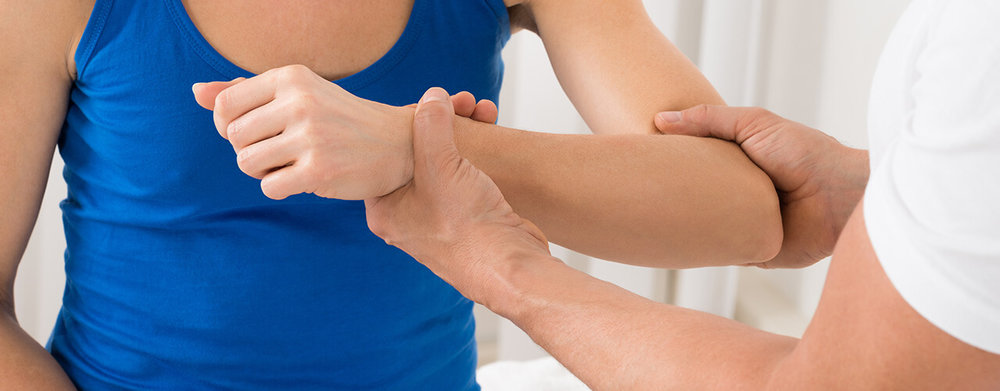
As the winter chill sets in, it brings with it not just the magic of snowflakes but also some potential challenges for the health of your hands, wrists, and elbows. If you’re not familiar with the term “FOOSH” (fall onto an outstretched hand), it’s time to get acquainted. Winter, with its slippery surfaces, elevates the risk of FOOSH-related injuries, making it crucial to adopt preventive measures. Dr. Avery Arora, our seasoned hand surgeon, shares insights on how to keep your extremities safe and sound during the frosty season.


Footwear Matters 

Selecting the right shoes for winter conditions is your first line of defense. Dr. Arora recommends well-fitting, low-heeled footwear with a good tread. For added grip on icy surfaces, consider using crampons – nifty traction devices that easily slip over your shoes.


Skiers: Beware of Ski Loops 

While ski pole loops may seem like a convenient feature, using them can increase the risk of a specific injury known as skier’s thumb. The loops, if caught during a fall, can overstretch the thumb joint or cause ligament tears. Dr. Arora advises skiers against using ski loops to prevent this potential hazard. The risk of injury is just too high.

Safeguarding Hands, Wrists, and Elbows in winter

Shoveling Safely

Shoveling snow is a winter chore that can impact your wrist health. Dr. Arora emphasizes the importance of maintaining neutral wrist positions while lifting, preventing issues like intersection syndrome or de Quervain’s tenosynovitis. Lift with your legs, not your arms, and take breaks to give your wrists a breather.


Snowblower Safety 

Modern snowblowers are a boon but come with their own set of precautions. Never insert your hand into the snowblower blades, even when it’s turned off. Clear jams using a broom or shovel handle to avoid potential injuries from built-up tension.


Master the Art of Falling 

Yes, there’s an art. For winter sports enthusiasts, learning how to fall safely is crucial. Seek lessons from experts to understand the proper techniques for minimizing injury risk. Wearing recommended protective gear is a small inconvenience compared to the potential consequences of a fall.


Prompt Care for Injuries 

If you do experience a hand, wrist, or elbow injury, don’t delay seeking professional care. While urgent cases require immediate attention, non-urgent injuries should still be addressed by a hand specialist. Dr. Arora and his team offer customized solutions, including specialized splints, to ensure optimal support and recovery.

This winter, let’s not just enjoy the beauty of the season but also take proactive steps to safeguard our hands, wrists, and elbows. With the right precautions and expert guidance, we can embrace the winter wonderland with confidence and well-protected extremities.

If you suspect you have suffered a winter-related injury in Michigan, there are many reputable hand doctor options from the Ascension or Beaumont healthcare systems or you can seek assistance from a qualified medical professional at a private practice. Arora Hand Surgery, led by Dr. Avery Arora, a specialist in upper extremity problems and a top Michigan hand doctor, has helped countless individuals alleviate their hand, wrist, and elbow related pain. You can contact the practice, with four locations in West Bloomfield, Warren, Macomb, and Howell, at (888) 392-4263 or schedule your consultation online through the website.

 

Categories
Conditions Fingers

Understanding Thumb Arthritis: Causes, Symptoms, and Treatment

Read Blog

Arthritis is a common condition that affects millions of people, and it can occur in various joints in the body. When it comes to the hand, one of the areas that can be affected is the base of the thumb. Imagine feeling pain from something as simple as turning a key or snapping your fingers. For many, this constant reminder is unbearable. This condition, known as thumb arthritis, can lead to pain, swelling, and reduced hand function. Let’s explore what thumb arthritis is, its symptoms, causes, risk factors, diagnosis, and available treatment options. If you’re suffering from this condition, we hope we can help.


What is Thumb Arthritis? 

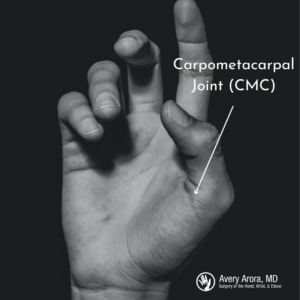
Thumb arthritis primarily affects the joint at the base of the thumb, making it the second most common site of arthritis in the hand. It’s typically a form of osteoarthritis (OA), which results from the gradual wear and tear on the joint. In a healthy joint, cartilage acts as a cushion between the bones. However, in people with thumb arthritis, this cartilage wears away, leading to bone-on-bone friction, inflammation, and pain.


Symptoms of Thumb Arthritis 

The most common and early symptom of thumb arthritis is pain at the base of the thumb, especially during activities that involve gripping, pinching, or applying force with the thumb. Other symptoms may include swelling, aching, discomfort, tenderness, limited range of motion, an enlarged appearance at the base of the thumb, and reduced thumb strength. These symptoms tend to worsen over time, especially without treatment.


Thumb Arthritis Causes and Risk Factors 

Thumb arthritis is primarily caused by the gradual breakdown of cartilage over time, which is often associated with aging. Injuries, such as thumb fractures and dislocations, can also lead to this condition. In rare cases, joint infections may be responsible for thumb arthritis.

Several risk factors can increase the likelihood of developing thumb arthritis, including age, gender (with females being more prone), weight, genetics, joint laxity, hormonal changes (such as menopause), previous joint injuries, and certain occupational factors.  You can read more about what causes thumb arthritis on our website’s dedicated thumb arthritis page.


Diagnosis of Thumb Arthritis 

To diagnose thumb arthritis, a healthcare provider such as top doctor Avery Arora, MD will conduct a physical examination, assess pain levels, and inquire about prior thumb injuries and the patient’s medical history. X-rays are often used to visualize joint space, cartilage loss, and the presence of bone spurs, which are indicative of arthritis.

Thumb Arthritis

Thumb Arthritis Treatment Options 

While there is no cure for arthritis, there are various treatment options available to manage thumb arthritis:

Non-surgical Treatments:
  • Nonsteroidal anti-inflammatory drugs (NSAIDs) for pain and inflammation.
  • Counterirritants that distract from pain.
  • Corticosteroids to reduce inflammation.
  • Analgesics for pain relief.
  • Physical therapy and exercises to strengthen thumb muscles.
  • Wrist supports and braces.
  • Activity modification to reduce thumb stress.


Surgical Measures:
  •  Total joint replacement.
  •   Fusion surgery to eliminate pain by fusing the bones.
  •   Ligament reconstruction to stabilize the joint.
  •   Ligament reconstruction and tendon interposition (LRTI) to prevent bone friction.

In severe cases, surgery may be required. Recovery from surgery may take several weeks to months and may involve working with a physical therapist.


Finding Relief from the Pains of Thumb Arthritis 

Thumb arthritis is a common condition that can cause discomfort and limitations in hand function. While it cannot be cured, there are various treatments available to manage symptoms and improve quality of life. Early diagnosis and appropriate management are essential for individuals dealing with thumb arthritis.

If you suspect you have thumb arthritis or are experiencing thumb pain, there are many reputable hand doctor options from the Ascension or Beaumont healthcare systems or you can seek assistance from a qualified medical professional at a private practice. Arora Hand Surgery, led by Dr. Avery Arora, a specialist in upper extremity problems and a top Michigan hand doctor, has helped countless individuals alleviate their thumb arthritis symptoms. You can contact the practice, with four locations in West Bloomfield, Warren, Macomb, and Howell, at (888) 392-4263 or schedule your consultation

Categories
Conditions

Understanding Carpal Tunnel Syndrome and Its Impact on Sleep

Read Blog

In light of October being Carpal Tunnel Syndrome Awareness Month, we wanted to touch on a very important and common topic: understanding carpal tunnel syndrome and its impact on sleep. While carpal tunnel syndrome may not immediately seem related to sleep, the two are more connected than you might think. In this article, we’ll explore the implications of carpal tunnel syndrome on sleep quality and how seeking professional help can make a significant difference.


The Consequences of Sleep Deprivation 

Sleep deprivation is a severe concern, known to have negative effects on cognitive function, mood, physical health, motor skills, hormonal balance, performance, and emotional well-being. It’s even been used as a form of torture and coercion in various contexts throughout history, prompting international organizations to condemn its use.

The impact of sleep deprivation is profound, as it affects:

  • Memory
  • Attention
  • decision-making
  • mood regulation
  • physical health, and much more.

This raises significant ethical and legal concerns, leading to the establishment of standards to protect individuals from this form of torture.


Carpal Tunnel Syndrome and Sleep Deprivation 

Surprisingly, sleep deprivation is a reality for many individuals suffering from carpal tunnel syndrome. Symptoms of carpal tunnel syndrome, including pain, tingling, numbness, and discomfort, are often exacerbated at night. According to an article in Hand, a publication of the American Association for Hand Surgery, 77% of carpal tunnel syndrome sufferers experience nocturnal (nighttime) symptoms.

Many people unknowingly sleep with flexed or bent wrists, which can increase pressure on the median nerve in the wrist. This pressure can intensify symptoms, causing disruptions to sleep and leading to fatigue during the day.

As carpal tunnel syndrome progresses, symptoms can become more persistent and painful, further affecting sleep patterns. Sufferers may develop stress and anxiety about sleeping, compounding their sleep troubles.


Finding Relief from Carpal Tunnel Syndrome 

The good news is that relief is possible for those suffering from carpal tunnel syndrome. To begin, seek assistance from a qualified medical professional. Arora Hand Surgery, led by Dr. Avery Arora, a specialist in upper extremity problems and a top Michigan hand doctor , offers in-depth consultations at all four of his Michigan-based offices.

Rather than attempting to address the problem on your own, entrust the Arora Hand Surgery team to guide you toward freedom from carpal tunnel syndrome and its pain. Dr. Avery Arora, a board-certified hand surgeon, possesses extensive expertise in diagnosing and treating hand, wrist, and elbow ailments. He has helped countless individuals alleviate their carpal tunnel syndrome symptoms. Here’s a recent testimonial from a carpal tunnel syndrome surgery patient of his, Julie.

If you believe you’re suffering from carpal tunnel syndrome and live in the area, contact a MI hand doctor for specialized guidance and treatment. There are many reputable hand doctor options from the Ascension or Beaumont healthcare systems, or you can choose Top Doc Dr. Avery Arora of Arora Hand Surgery. You can schedule an appointment at one of Dr. Arora’s four offices in West Bloomfield, Warren, Macomb, or Howell, Michigan today.

carpal tunnel syndrome and sleep

Categories
Elbows Hands Treatments Wrists

Pain in Your Hand, Wrist, or Elbow? When to Seek Help

Read Blog

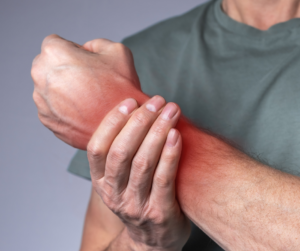
Pain is the body’s way of signaling that something might be amiss. But what if the pain occurs in your hand, wrist, or elbow? How do you determine whether it’s a concern that necessitates medical attention or something you can manage at home? Dr. Avery Arora, a hand doctor in Southeast Michigan, provides insights on when to seek help for hand pain, wrist pain, or elbow pain.

Understanding the Source of Pain

Sometimes, the cause of pain is apparent – perhaps you’ve had a recent fall or engaged in strenuous activity. However, in other cases, pain seems to emerge out of nowhere. Dr. Arora explains that pain can result from various factors, including infection, inflammation, or underlying medical conditions like gout or diabetes-related neuropathy. Additionally, the origin of pain might not always be in your arm; a pinched nerve in the neck can radiate pain throughout the arm. It’s essential to consider your activity level and the wear and tear on your body, especially in cases of joint pain or tendinitis. While aging may bring some joint discomfort, it’s not inevitable for everyone.


Common Causes of Hand, Wrist, and Elbow Pain

Several activities or conditions can predispose individuals to pain in these areas:

Golfer’s Elbow

Golfer’s elbow can result from various activities, not just golf. It typically involves repeated bending, grasping, and twisting of the arm and wrist, causing inflammation in the tendons connecting the elbow to the forearm.

Carpal Tunnel Syndrome

This condition affects the hand and wrist, often caused by repetitive finger and hand use, leading to swelling around the wrist and pressure on the median nerve.

Arthritis

Types like osteoarthritis and rheumatoid arthritis are known to affect the fingers and hands, causing joint pain due to cartilage breakdown.

Muscle Strains and Ligament Sprains

These injuries can occur in the thumb, finger, and wrist, resulting in pain throughout the hand. Hand sprains, wrist sprains, and/or elbow sprains, often follow an injury or stretching of joint ligaments.

Other Causes

Additional factors contributing to elbow, wrist, or hand pain include Kienböck’s disease, biceps tendonitis, De Quervain’s tenosynovitis, trigger finger, mallet finger, ulnar wrist pain, ganglion cysts, fractures, and tennis elbow. Because there are so many variables, we do always advise to seek medical help as soon as possible.


Assessing Your Pain

Healthcare professionals use triage to determine the need for urgent medical care, and you can apply a similar approach at home. If the pain is excruciating or immobilizes you (e.g., a wrist fracture), seek immediate medical attention. However, for less severe pain, consider these questions:

• Does pressing on the area worsen the pain?
• Is there redness or inflammation?
• Is the area swollen or stiff?
• On a pain scale of 1 to 10 (1 being minimal and 10 the worst), how would you rate your pain?

If you answer “yes” to the first three questions or rate your pain as 6 to 10, it’s time to consult a healthcare provider. For “no” answers and pain levels at 1 to 3, you can start with home treatment.


DIY Care for Hand, Wrist, or Elbow Pain

For manageable symptoms, you can begin with self-care to alleviate discomfort:
1. Apply ice for new-onset pain or heat if it persists.
2. Over-the-counter pain relievers like ibuprofen or acetaminophen can help.
3. Consider using a stretchy elastic bandage or compression device for painful or swollen areas.
4. If your pain results from overexertion or repetitive motion (e.g., tennis elbow), rest from the activity and allow your body to recover.


When the Pain Persists

Even tolerable pain warrants attention if it persists. If home treatment doesn’t yield results after a few days, consult a healthcare provider. Be sure to provide comprehensive information about your activities and medications or supplements you’re taking. Doctors can identify underlying issues contributing to persistent pain. While most non-worrisome conditions resolve in a few days, acute symptoms like severe swelling, redness, pain, or deformity may require urgent evaluation and care.

Understanding when to seek help for hand, wrist, or elbow pain is crucial for your overall well-being. By assessing your symptoms and considering their severity, you can make informed decisions about treatment. Remember, pain should never be ignored, but neither should it cause unnecessary alarm. Proper evaluation and care can ensure a swift return to comfort and functionality. These surgical measures may be necessary for various reasons, including joint involvement, open fractures, or loose bone fragments affecting ligaments, nerves, or blood vessels.

If you’re in need of expert care for hand and wrist fractures, contact a MI hand doctor for specialized guidance and treatment. There are many reputable hand doctor options from the Ascension or Beaumont healthcare systems, or you can choose Top Doc Dr. Avery Arora of Arora Hand Surgery. You can schedule an appointment at one of Dr. Arora’s four offices in West Bloomfield, Warren, Macomb, or Howell, Michigan today.

Categories
Conditions Fingers Treatments

Identify Symptoms of Trigger Finger and Understand Your Medical Treatment Options

Read Blog

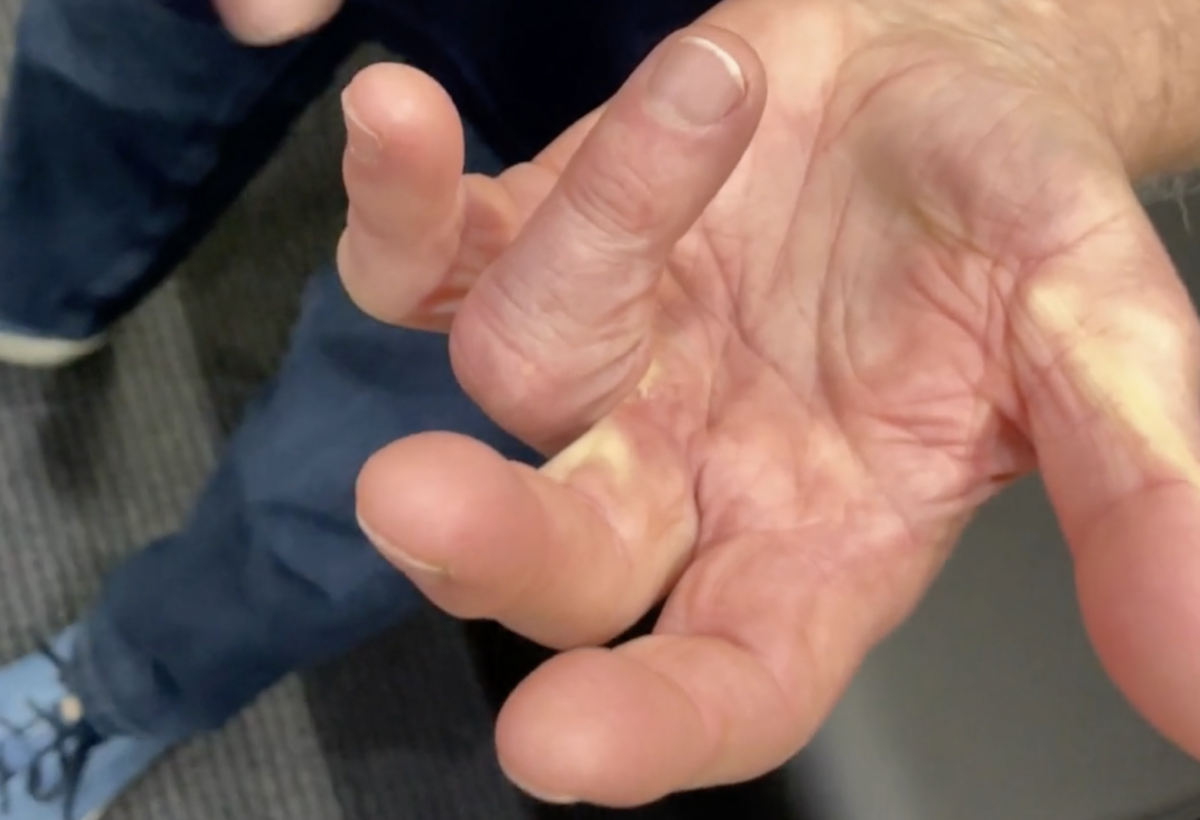
Trigger finger, also known as stenosing tenosynovitis, is a common hand condition that can cause discomfort and limited mobility. It occurs when the tendons in your fingers become inflamed or swollen, making it difficult to straighten or bend the affected finger smoothly. Recognizing the symptoms of trigger finger and understanding the available medical treatment options is crucial for effective management. In this blog post, we will explore the symptoms of trigger finger and discuss various treatment options to help you make informed decisions regarding your hand health.


Understanding Trigger Finger Symptoms 

  • Finger Stiffness and Snapping Sensation

One of the primary symptoms of trigger finger is stiffness in the affected finger joint. You may notice resistance or a sensation of catching or snapping when trying to straighten or bend your finger. This is caused by the inflamed tendon passing through the narrowed tendon sheath.

  • Finger Locking in a Bent Position

Trigger finger can cause your finger to lock in a bent position, making it challenging to straighten. You may experience a momentary “catch” or “pop” when attempting to extend the finger fully.

  • Finger Pain and Tenderness

Pain and tenderness are common symptoms associated with trigger finger. The affected area may feel sore, particularly around the base of the affected finger.

  • Swelling and Nodule Formation

In some cases, trigger finger may cause swelling and the formation of a small, tender nodule near the base of the affected finger. This nodule can be felt as a palpable lump.


Exploring Medical Treatment Options for Trigger Finger 


Non-Surgical Approaches for Trigger Finger
  • Rest and Activity Modification: Giving your finger rest and avoiding activities that exacerbate symptoms can help reduce inflammation and relieve discomfort.
  • Splinting: Wearing a splint to immobilize the affected finger can help alleviate symptoms by reducing movement and providing support.
  • Nonsteroidal Anti-Inflammatory Drugs (NSAIDs): Over-the-counter pain medications like ibuprofen or naproxen can help reduce inflammation and provide temporary relief.
  • Hand Exercises: Performing gentle stretching and strengthening exercises prescribed by a healthcare professional can improve finger mobility and reduce symptoms.
  • Corticosteroid Injections: Your trigger finger hand doctor may recommend a corticosteroid injection. This injection delivers a powerful anti-inflammatory medication directly into the affected area, reducing swelling and relieving symptoms. Multiple injections may be required, depending on the severity of your condition.


Surgical Intervention for Trigger Finger  

If conservative measures and injections fail to provide long-term relief, surgical intervention may be necessary. The surgical procedure, known as a trigger finger release surgery, involves widening the constricted tendon sheath, allowing the tendon to glide freely. This can usually be performed on an outpatient basis, with a relatively quick recovery time.

Recognizing the symptoms of trigger finger and understanding the medical treatment options for trigger finger are essential for effectively managing this common hand condition. If you experience finger stiffness, a snapping sensation, finger locking, pain, tenderness, or swelling, it’s important to seek medical evaluation and diagnosis.

Non-surgical approaches such as rest, splinting, medication, and exercises are often effective in relieving symptoms. However, if conservative treatments prove inadequate, corticosteroid injections or trigger finger release surgery may be recommended to restore finger mobility and alleviate discomfort.

Remember, consulting with a healthcare professional such as Dr. Avery Arora, a top Michigan hand specialist, is crucial for accurate diagnosis and personalized treatment recommendations. They can guide you through the process, help educate you on your trigger finger treatment options, and provide appropriate care to ensure the best possible outcome for your hand health.

If you believe you may be experiencing symptoms of trigger finger, it may be time to get in touch with top MI hand surgeon Dr. Avery Arora. You can schedule an appointment at one of his four offices in West Bloomfield, Warren, Macomb, or Howell, Michigan.

Categories
Conditions Treatments Wrists

Understanding the Difference between Carpal Tunnel Syndrome and Cubital Tunnel Syndrome

Read Blog

In today’s fast-paced world, where technology dominates our daily lives, repetitive movements and extended periods of computer usage have become the norm. Unfortunately, these habits can lead to various health issues, including nerve compression disorders like carpal tunnel syndrome (CTS) and cubital tunnel syndrome (CuTS). While both conditions affect the upper extremities and cause discomfort, it is crucial to understand their unique characteristics and how they differ. In this blog post, we will explore the differences between carpal tunnel syndrome and cubital tunnel syndrome to help you better understand and manage these conditions.


Carpal Tunnel Syndrome (CTS) 

Carpal Tunnel Syndrome primarily affects the hand and wrist. It occurs when the median nerve, which runs through a narrow passageway in the wrist called the carpal tunnel, becomes compressed or irritated. This can result from repetitive hand movements, such as typing or using a computer mouse, or conditions like arthritis or wrist injuries.

Common Symptoms of CTS 
  • Numbness, tingling, or burning sensation in the thumb, index, middle, and half of the ring finger.
  • Pain or discomfort that radiates from the wrist up the arm.
  • Weakness in the hand, making it difficult to grip objects or perform fine motor tasks.
  • Symptoms tend to worsen at night or during activities that involve bending the wrist.

the Difference between Carpal Tunnel Syndrome and Cubital Tunnel Syndrome


Cubital Tunnel Syndrome (CuTS) 

Cubital Tunnel Syndrome affects the ulnar nerve, which passes through a narrow tunnel on the inside of the elbow called the cubital tunnel. This nerve is responsible for supplying sensation and controlling some of the muscles in the hand and forearm. CuTS occurs when the ulnar nerve becomes compressed or irritated, often due to prolonged or repetitive elbow bending or leaning on the elbow for extended periods.

Common Symptoms of CuTS 
  • Numbness or tingling sensation in the ring and little fingers.
  • Weakness in the hand, particularly in the grip or pinch.
  • Pain or discomfort along the inside of the elbow or forearm.
  • Symptoms may worsen with elbow flexion or activities that involve bending the elbow.
Distinguishing Factors 

While both CTS and CuTS involve nerve compression, they differ in terms of the affected nerves and the locations of discomfort:

  • Affected Nerves: CTS involves compression of the median nerve in the carpal tunnel, while CuTS affects the ulnar nerve at the cubital tunnel inside the elbow.
  • Distribution of Symptoms: CTS primarily affects the thumb, index, middle, and half of the ring finger. In contrast, CuTS commonly causes symptoms in the ring and little fingers.
  • Triggering Factors: CTS is often associated with repetitive hand and wrist movements, whereas CuTS is commonly caused by prolonged elbow flexion or pressure on the elbow.
  • Anatomical Differences: The carpal tunnel is located at the base of the palm, while the cubital tunnel is found on the inside of the elbow.


Treatment and Management for CTS and CuTS 

For both conditions, early diagnosis and appropriate treatment are crucial. Non-surgical approaches for CTS and CuTS include:

  • Resting the affected area and avoiding repetitive movements that exacerbate the symptoms.
  • Applying ice packs to reduce swelling and inflammation.
  • Wearing splints or braces to support the affected area and relieve pressure.
  • Physical therapy exercises to improve strength, flexibility, and posture.
  • In severe cases or when conservative methods fail, surgical intervention may be necessary to relieve pressure on the affected nerve.

Understanding the differences between carpal tunnel syndrome and cubital tunnel syndrome is essential for accurate diagnosis and effective management. While both conditions involve nerve compression and share some similarities in symptoms, they affect different nerves and have distinct locations of discomfort.

CTS primarily affects the median nerve in the carpal tunnel of the wrist, causing numbness, tingling, and weakness in the thumb, index, middle, and half of the ring finger. On the other hand, CuTS affects the ulnar nerve in the cubital tunnel of the elbow, leading to numbness, tingling, and weakness in the ring and little fingers.

Identifying the triggering factors is crucial as well. CTS is commonly associated with repetitive hand and wrist movements, while CuTS is often caused by prolonged elbow flexion or pressure on the elbow.

Both conditions can often be managed conservatively through rest, splinting, physical therapy, and lifestyle modifications. However, in severe cases or when conservative methods fail, surgical intervention may be necessary to relieve pressure on the affected nerve. 

If you believe you may be experiencing symptoms of carpal tunnel syndrome or cubital tunnel syndrome, it may be time to get in touch with top MI hand surgeon Dr. Avery Arora. You can schedule an appointment at one of his four offices in West Bloomfield, Warren, Macomb, or Howell, Michigan.

Categories
Hands Wrists

When to See a Hand Doctor About Hand or Wrist Pain

Read Blog

Your hands and wrists are incredibly important to your ability to work and play. Imagine trying to cook a meal, play catch with your kids, or even type up documents at work without the full dexterity and strength of your hands. It’s not a pretty picture, and anyone who’s ever experienced hand or wrist pain – even temporarily – can tell you how difficult it is to grip a soda can, a wrench, or even a pen with that feeling of pins and needles running through your palm and fingers. If this all hits home for you, hopefully this blog gives you a better idea when to see a hand doctor for that hand or wrist pain that refuses to go away.

It can be difficult to tell when to see a hand doctor or hand surgeon is necessary. We know questions such as these can play a role in how quickly someone decides to seek help:

  • Will this pain eventually go away?
  • Can I heal this on my own?
  • Do I really want to know what’s wrong?

We’ve seen many cases where a patient pinched a nerve in their hand, for example, and while it did heal on its own over a period of several weeks, the pinched nerve was indicative of a larger, more chronic problem. In general, if there are questions and a decreased ability to live your normal day-to-day life, we recommend calling a top hand doctor for an appointment immediately. Michiganders, here are some specific cases that absolutely warrant a call to your local Michigan hand specialist:


Prolonged Tingling or Numbness

Tingling and numbness – the feeling like your hand has gone “to sleep” – may be early symptoms of carpal tunnel syndrome. If you hold your hands in a position that’s not ergonomically correct for long periods of time, you can compress the carpal tunnel, through which the main nerves to your hand travel. If those nerves are pinched, serious and permanent damage can be done.

If you notice your hands falling asleep regularly, or you get that pins and needles feeling for longer than a few moments, it’s time to call a hand doctor such as Dr. Avery Arora. Getting a proper diagnosis by a hand specialist now could save you a lot of pain and potentially a surgery that could have been avoided.

If you develop carpal tunnel and other repetitive motion injuries in the hands and wrists early, you can usually treat them with over-the-counter anti-inflammatory drugs (aspirin, etc.), an ergonomic brace or stabilizer, and/or physical hand therapy.


Joint Pain in Your Hand or Wrist

Having trouble bending or flexing your fingers or your wrist? It’s time to call a hand doctor immediately. This may be a sign of either rheumatic arthritis or osteoarthritis, either of which can be treated, but, again, treatment is much more effective and much less invasive if you catch it early. For example, if you wait until you have lost function in your hands, you may never recover that function or you may need surgery to regain it.

When to See a Hand Doctor About Hand or Wrist Pain

Swelling in Your Hand or Wrist

Swelling in the wrist joints or in the joints of your fingers could be due to arthritis, but it could also be a symptom of a repetitive motion injury. Repeating the same motions can put increased strain and stress on the muscles and ligaments of your hands and wrists, which can then become inflamed, causing swelling, tenderness, pain, and/or numbness. Talk to your hand doctor right away to treat swelling in your hands, wrists, and/or your elbows before it becomes a bigger problem than it already is.

If you’ve been putting off speaking with a hand doctor about a hand, wrist, or elbow issue that has been bothering you, it may be time to get in touch with top MI hand surgeon Dr. Avery Arora. You can schedule an appointment at one of his four offices in West Bloomfield, Warren, Macomb, or Howell, Michigan.

Categories
General

What to Expect at a Michigan Hand Surgery Consultation

Read Blog

You suspect you may need hand surgery and have decided to speak with a specialist. Before we begin, may we just commend you for taking the first step in bettering your health? We want to assure you that hand surgery is not always the only option after a diagnosis and that good hand surgeons like Dr. Avery Arora will always keep your best interest in mind. Here’s what to expect at a Michigan hand surgery consultation.

“What Types of Questions Will the Doctor Ask?”

It’s vital you know that open transparency of your medical background is of the utmost importance. Your doctor will want to know:

  • if you have had any other medical conditions
  • if you are presently going through any other medical treatments or prescribed any medications
  • if you have ever had any other surgeries
  • if you have any known drug allergies
  • about tobacco use, alcohol, and other drugs


“What Should I Tell the Doctor About My Hand?”

The short answer? Everything. Be prepared to share the full medical history of the condition in question. The doctor’s office may require images of the hand, such as x-rays, to help paint a clearer picture of the problem.

During the consultation, the doctors will determine your overall health status and whether you have any risk factors or conditions that may prevent you from being a good candidate for surgery.

They will discuss the available options you have that will give you the best chance of restoring function of your hand and returning to a normal quality of live. If you decide to proceed with the procedure, the doctor will explain what happens from start to finish and will let you know of any potential risks involved.

What to Expect at a Michigan Hand Surgery Consultation

“What Questions Should I Ask?”

We empower you to ask questions, too. While it might seem as though it’s the doctor’s role to ask questions during the consultation, patients need to make their voices heard as well. Some questions a patient should ask their hand physician could include:

  • If surgery is the best option, what could the potential complications mean for me in my day-to-day life?
  • How long will it typically take someone to recover from this particular type of procedure?
  • What type of therapy would be useful to help recover faster?
  • What else can I do in my day-to-day life to help the recovery process?

You can find more recommended questions in one of our other blogs.

During your hand surgery consultation, we can’t stress enough how important it is for local patient to feel empowered to vet if that particular Michigan hand doctor is right for them. If you have any reservations about the doctor, do not feel as though you are “locked in.” Speak with other Michigan hand specialists to get second opinions and feedback.

Your hand surgery consultation is the chance to learn everything you need to know about the procedures that could help improve or restore function to your hand. Pay attention, ask questions, and get peace of mind before surgery.

If you’ve been putting off speaking with a hand doctor about a hand, wrist, or elbow issue that has been bothering you, it may be time to get in touch with top MI hand surgeon Dr. Avery Arora. You can schedule an appointment at one of his four offices in West Bloomfield, Warren, Macomb, or Howell, Michigan.


Categories
Elbows

What Happens After Elbow Surgery?

Read Blog

Although many elbow injuries, including tennis elbow, can be treated without needing surgery, sometimes it is the best option. Doctors such as Dr. Avery Arora, a hand surgeon in Michigan, will suggest surgery when other treatment methods do not work or when the patient is in a substantial amount of pain that diminishes their capacity to work and to enjoy life. If elbow surgery has been recommended for you, you may be wondering, “What happens after elbow surgery?” This blog aims to clarify the process for you.


Before Elbow Surgery

You and your doctor will initially discuss the different types of surgical options and what those options entail; everything from the procedure itself to the recovery period will be clarified for you. Those who undergo arthroscopic surgery, which requires a smaller incision, will still need to have plenty of time to heal and rehabilitate their elbow, just as those who have open surgery. However, the difference between those two surgeries lies with the length of recovery time and when you can start rehab.


Immediately After Surgery

For many patients, the rehabilitation part of your recovery will start very quickly, often while you’re still at the hospital. The early stages of the physical therapy are very gentle and can help to relax the muscles of the arm. You will likely be required to have your arm in a splint after the surgery, and as a means to keep the swelling down, the doctor and nurse will often put an ice pack in the splint.

After the surgery, you can expect to experience pain at the surgical site. You will be prescribed medication that can help to control the pain along with various types of exercises that you will need to do during the recovery period at home.

The amount of time you have to spend in the hospital will vary, but it is not usually more than a day or two. Your doctor may remove the bandages and stitches before you leave or they may want you to return a few days later so they can remove them at that point during your follow up.

What Happens After Elbow Surgery?


At Home

When you are at home, you need to be very careful with the incision site so that you do not open it up or get an infection. In addition, you have to be willing to put in the time needed each day to work your elbow and to perform the therapeutic exercises. This will ensure that you are getting stronger and maintaining mobility in your elbow. Don’t skip the exercises, but do not overdo them either. Listen to and follow your doctor’s orders.

As you start to heal, you will begin to feel even stronger and more like your old self. However, this does not mean your elbow has properly healed yet. You still need to take it easy or you could risk more injury. Get plenty of rest, eat right, hydrate, and follow all of the instructions provided when you left the hospital. This is the best way to ensure that you heal properly. If you have any issues, you will want to contact the medical staff as soon as possible so they can make sure you are healing properly. In time, your elbow will be fully healed; just don’t rush it.

Here at Arora Hand Surgery, we care about your health. If you are feeling hand, wrist, or elbow discomfort, visit Dr. Avery Arora at one of his southeast Michigan offices located in West Bloomfield, Warren, Macomb Township, or Howell.


Bill Payment Made Easy

Pay on the Go!

Pay my balance

Get on the List

Subscribe

Dr. Aroras office from my first call to schedule my appointment was friendly. Walking in the first day, I felt like I was in a nice atmosphere. Dr. Arora was EXCELLENT in taking great care of my hand injury. He was gentle and very understanding to the concerns I had about my hand. His expertise was admirable and I would recommend anyone with an injury to their hand to his office to be under his care. Because of him, I have healed faster than expected and will make an 100% recovery! Thank you Dr.

Jackie S.

I first thought I was going to have to have painful injections or surgery, but Dr. Arora suggested physical therapy may do the trick. I was doubtful, but I agreed to do it. Now, my pain is gone, and with the help of an ergonomic keyboard at work to keep my hands in the correct position, I am virtually pain free. The therapy strengthened my wrists and shoulders, and built more flexibility into my wrists.

Jerry T.

My experience with this doctor was positive from the outset. Dr. Arora was kind and spent a great deal of time with me. Staff was friendly. The office was nice and bright.

Ariel G.

Very friendly and helpful Great staff!!! Doctor Arora was very professional and did great work. I was very happy with everything!

L B.