
Blog Category

Tag: Elbow Pain

Categories
Conditions Elbows

Why Elbow Pain Feels Worse in Winter: Understanding Cubital Tunnel Syndrome

Read Blog

As temperatures drop here in Michigan, many people notice that their joint and nerve symptoms become more pronounced. While winter weather is often blamed for stiff hands or cold-induced numbness, certain medical conditions can also worsen during the colder months. One of the most common is cubital tunnel syndrome, a form of ulnar nerve compression that causes pain, numbness, tingling, and weakness in the hand, forearm, and elbow. If you’re wondering, “Is my elbow pain related to cubital tunnel syndrome?” then this is the blog for you.

At Arora Hand Surgery, we frequently see an increase in patients seeking evaluation for elbow pain and nerve-related symptoms during the winter season. Understanding why this happens — and what you can do about it — is key to protecting the health and function of your hand and arm.


What Is Cubital Tunnel Syndrome?

Cubital tunnel syndrome occurs when the ulnar nerve becomes compressed as it passes through the cubital tunnel at the inside of the elbow. This is the same nerve responsible for the “funny bone” sensation. When irritated or compressed, it can cause:

• Numbness or tingling in the ring and pinky fingers
• Pain on the inside of the elbow
• Weak grip strength
• Difficulty with fine motor tasks
• Hand clumsiness or fatigue
Left untreated, the condition can progress, resulting in muscle wasting and long-term loss of function.

Why Symptoms Feel Worse in Cold Weather

Cold temperatures affect the way nerves and soft tissues behave. In Michigan’s winter climate, the body experiences:

1. Muscle Tightening and Reduced Circulation

In cold temperatures, blood flow decreases and muscles tighten. This can place additional pressure on already sensitive nerves, making ulnar nerve compression more noticeable. Patients often describe sharper pain or more frequent tingling in their fingers during the winter months.

2. Increased Joint Stiffness

Cold weather can contribute to stiffness in the elbow joint, which can further narrow the cubital tunnel and irritate the ulnar nerve. This makes symptoms such as elbow pain and hand weakness more pronounced.

3. Winter-Specific Activities

Certain winter habits — scraping ice off a windshield, shoveling snow, resting elbows on cold surfaces, or hunching over while driving in bulky coats — all increase strain on the elbow. These repetitive movements can worsen symptoms of cubital tunnel syndrome.

If you are searching online for “elbow pain in cold weather” or “why are my fingers numb in the winter,” cubital tunnel syndrome may be the underlying cause.


When to See a Hand Surgeon or Hand Doctor Near You

Early diagnosis is essential. If your symptoms are becoming more frequent, more painful, or more disruptive during the winter, it’s important to seek an evaluation. Many patients search for a “hand doctor near me” when symptoms interfere with driving, work, or daily activities.

At Arora Hand Surgery, located throughout Metro Detroit, we offer comprehensive evaluation and treatment options, including:

• Activity modification and ergonomic recommendations
• Splinting to reduce elbow flexion
• Anti-inflammatory treatment
• Physical therapy
• Corticosteroid injections in select cases
• Minimally invasive surgery for severe or persistent compression

Most cases can be managed without surgery when addressed early.


Protecting Your Hands and Elbows This Winter

A few simple steps can help reduce cold-weather flare-ups:

• Keep your arms and hands warm with gloves or sleeves
• Avoid resting your elbows on hard surfaces
• Take breaks from repetitive winter tasks
• Try to keep your elbows straight when sleeping
• Maintain good posture at work and in the car

If your symptoms persist despite these strategies, professional care is recommended.


Schedule a Cubital Tunnel Syndrome Consultation

Cubital tunnel syndrome can worsen in winter, but with proper diagnosis and treatment, relief is possible. If you’re experiencing elbow pain, tingling in your fingers, or symptoms that get worse in cold weather, contact Arora Hand Surgery today.

Call us to schedule an appointment with Dr. Avery Arora — a trusted hand surgeon in Metro Detroit — and take the first step toward restoring comfort and function.
Categories
Conditions Elbows Treatments

Tennis Elbow Treatment, Causes and Prevention

Read Blog

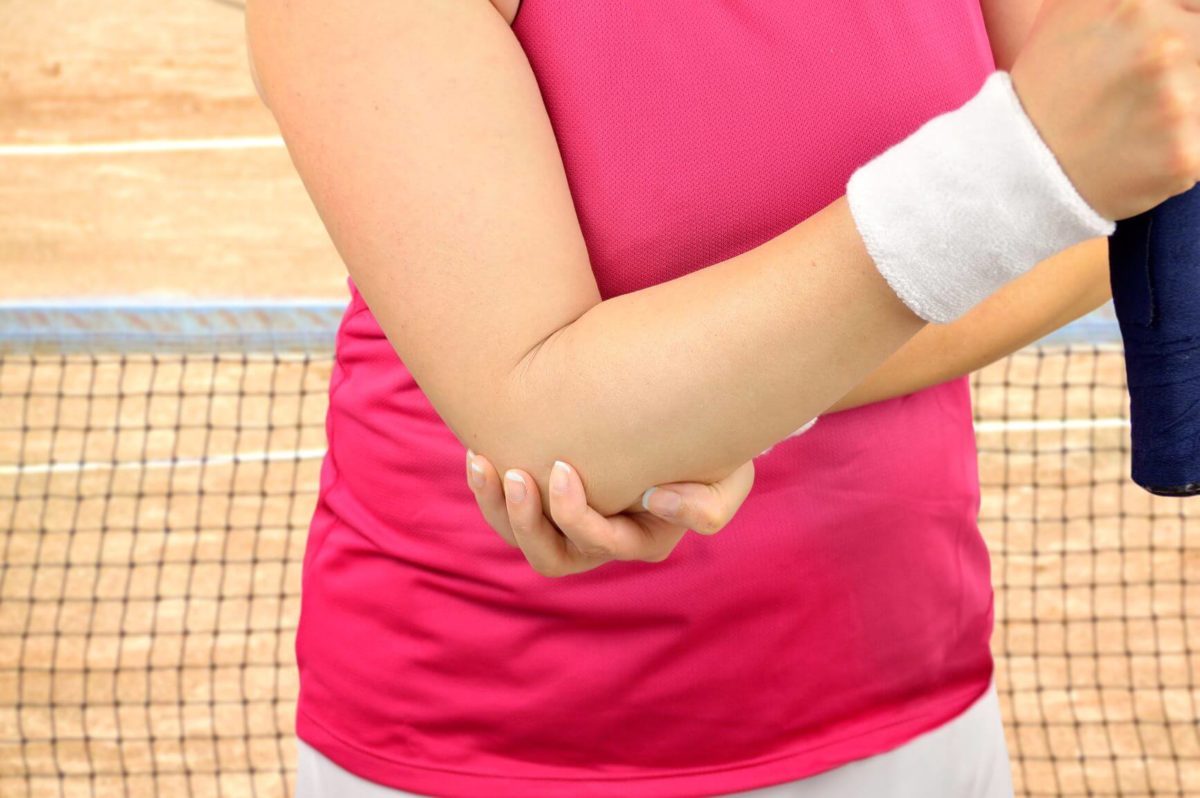
If you are experiencing pain in your elbow during exercise or routine activity, you may be suffering from tennis elbow. Fortunately, tennis elbow treatment can be very effective.

Tennis elbow, or lateral epicondylitis, is a painful condition involving the tendons that attach to the bone on the outside (lateral) part of the elbow. The tendon’s attachment to the bone degenerates, which places increased stress on the area. This, in turn, leads to pain when the muscle is active, such as during lifting or gripping actions.

Tennis elbow is a common overuse and muscle strain injury. In other words, people who repeatedly use their elbow and arm muscles may be susceptible to tennis elbow. Common causes of tennis elbow (besides playing tennis) include:

  • Work as a painter
  • Frequent use of plumbing tools
  • Driving screws in
  • Cutting up cooking ingredients, such as meat
  • Regular use of a computer mouse

The simplest tennis elbow treatment is rest, along with some pain medication if needed.

While it often gets better on its own, in some cases it may be advisable to explore physical therapy options for treatment. For instance, a physical therapist can coach you on ways to stretch and strengthen the muscles of your forearm, which can counteract the effects of tennis elbow and even help prevent it.

Other treatment options for tennis elbow include Botox or platelet-rich plasma injections into the affected tendon, the use of a brace, or, in extreme cases, surgery.

The best way to prevent tennis elbow in the first place is to avoid repetitive hand, arm, and wrist motions that could cause the deterioration of the elbow tendons. Ensuring the use of proper technique while gripping, lifting, rotating, or participating in any activity that involves your arm and hand should help as well.

If you’d like more information on tennis elbow treatment or would like to set up a consultation appointment, reach out to us at Arora Hand Surgery today.

Schedule an Appointment

Categories
Elbows General Hands

Stem Cell Therapy for Hands, Wrists, and Elbows

Read Blog

Stem cell therapy can be an effective method of treating pain in the hands, wrists, or elbows. If you are a candidate for stem cell therapy, you probably have many questions. Our hand surgeon is here to answer them. In the meantime, following are some of the basics about stem cell therapy for hands, wrists, and elbows.

What is Stem Cell Therapy?

Stem cells are cells from which all other cells are generated. Stem cells divide to form “daughter cells,” with either become new stem cells or specialized cells. They can be guided to become specific cells that can be used for medical purposes, such as repairing damaged tissues. Stem cells may also be grown into new tissue for use in transplants and regenerative medicine.

Individuals who may benefit from stem cell therapy include those with spinal cord injuries, diabetes, Parkinson’s disease, heart disease, stroke, osteoarthritis, burns, and cancer.

Stem Cell Therapy for Hands, Wrists, and Elbows

Because stem cells replicate themselves, they can mirror the qualities of healthy cells in order to repair damage. They can decrease inflammation, strengthen the affected area, and repair damaged tissue and tendons.

Stem cell therapy for hands, wrists, and elbows can be used treat trigger finger, joint pain, golfer’s elbow, carpal tunnel, gout, tennis elbow, and arthritis.

  • Cartilage in the wrist specifically has a limited ability to self-repair, and osteoarthritis can lead to a loss of cartilage. Stem cell therapy can help rejuvenate and replenish the cells in the wrist to aid in mobility.
  • Individuals suffering from elbow pain can benefit from stem cell therapy. It enables new, healthy tissue to grow at the site of an injury to reduce pain and repair damage.
  • Pain in the hand and thumb can also be addressed, including arthritis in the fingers.

A board-certified hand surgeon, Dr. Arora and the Arora Hand Surgery team gather stem cells from patients’ own tissue, which can help heal the targeted area without risk of harsh side effects or allergic reactions.

If you are regularly experiencing pain in your hand, wrist, or elbow, contact Dr. Arora to see if stem cell therapy is right for you.

Contact Us

Categories
Conditions Elbows General Hands

Cellphone Overload: How to Avoid Hand and Elbow Pain

Read Blog

Have you ever used your cellphone for so long that your hands became numb, your fingers stopped functioning properly, and you gave up on mentally blaming autocorrect? If so, it was probably slightly comical at the time. If this happens repeatedly, however, soon enough it won’t be funny anymore. If you do use your phone frequently, it’s important to know how to hold your phone to avoid hand and elbow pain.

If you don’t, eventually you could be dealing with something worse than just sore thumbs, uncooperative fingers, and a really hot ear.

Ways to Avoid Hand and Elbow Pain when Using Cellphones

1. Try using text-to-speak, at least every now and then.

2. Use a cellphone stand so you can set the phone on a table or desk instead of holding it. When you do, you can use any finger you want to play those games and give the other fingers a break.

3. Make a conscious effort to regularly stretch and flex your fingers, wrists, and elbows.

4. If you talk on the phone for long periods of time, holding the phone up to your ear can cause discomfort at your elbow. To avoid this problem, try using:

  • A headset
  • The speaker option
  • A video calling app like FaceTime
  • Internet calling options such as Skype

What Could Happen: Carpal Tunnel Syndrome and Cubital Tunnel Syndrome

You might believe that the tingling in your hands due to cellphone use is just a temporary sensation, and it probably is. But if you don’t make conscious efforts to avoid hand and elbow pain when using cellphones, you could end up facing some very real issues.

Carpal Tunnel Syndrome

Carpal tunnel syndrome is the result of swelling and pressure in a “tunnel” in the wrist, which consists of nine tendons and a median nerve.

Causes of this very common condition are unclear, but improper use of keyboards, tools, and even cellphones can increase CTS. Other examples of activities that can increase carpal tunnel syndrome include driving a motorcycle and playing a violin.

Individuals with CTS can experience tingling, a weaker grip, numbness, a tendency to drop things, and pain in the hand and wrist.

Cubital Tunnel Syndrome

Ever wonder why it’s far from funny when something hits your “funny bone”? To the contrary, it’s extremely painful. The truth is that what you feel comes from a nerve that runs behind a bone in the elbow through the “cubital tunnel.”

Pressure on the nerve can affect the blood supply to the nerve, causing arm pain and weakness in the hand. Direct pressure, such as leaning on your elbow, can compress the nerve and cause some of your fingers to “fall asleep.”

Both cubital tunnel syndrome and carpal tunnel syndrome are painful conditions that may lead you to seek medical treatment.

Contact Arora Hand Surgery for More Information

For more information about how cellphone use affects your hands, fingers, wrists, and elbows, explore the Procedures & Conditions pages of our website to learn more about symptoms you may be experiencing. If you’re regularly feeling pain or numbness in your hands or arms, contact one of our Arora Hand Surgery offices by phone or request an appointment online.

Bill Payment Made Easy

Pay on the Go!

Get on the List

Subscribe

Patient

Stories

Read All

Dr. Aroras office from my first call to schedule my appointment was friendly. Walking in the first day, I felt like I was in a nice atmosphere. Dr. Arora was EXCELLENT in taking great care of my hand injury. He was gentle and very understanding to the concerns I had about my hand. His expertise was admirable and I would recommend anyone with an injury to their hand to his office to be under his care. Because of him, I have healed faster than expected and will make an 100% recovery! Thank you Dr.

Jackie S.

I first thought I was going to have to have painful injections or surgery, but Dr. Arora suggested physical therapy may do the trick. I was doubtful, but I agreed to do it. Now, my pain is gone, and with the help of an ergonomic keyboard at work to keep my hands in the correct position, I am virtually pain free. The therapy strengthened my wrists and shoulders, and built more flexibility into my wrists.

Jerry T.

My experience with this doctor was positive from the outset. Dr. Arora was kind and spent a great deal of time with me. Staff was friendly. The office was nice and bright.

Ariel G.

Very friendly and helpful Great staff!!! Doctor Arora was very professional and did great work. I was very happy with everything!

L B.
Secret Link